
Navigating the great ocean of Amazon’s market may be daunting for a brand-new business. With tens of millions of products vying for interest, how does a unique startup stand out? Enter Amazon Launchpad. This software is not for absolutely everyone; it is a precision-engineered “accelerator” tailored for a totally unique breed of entrepreneur.
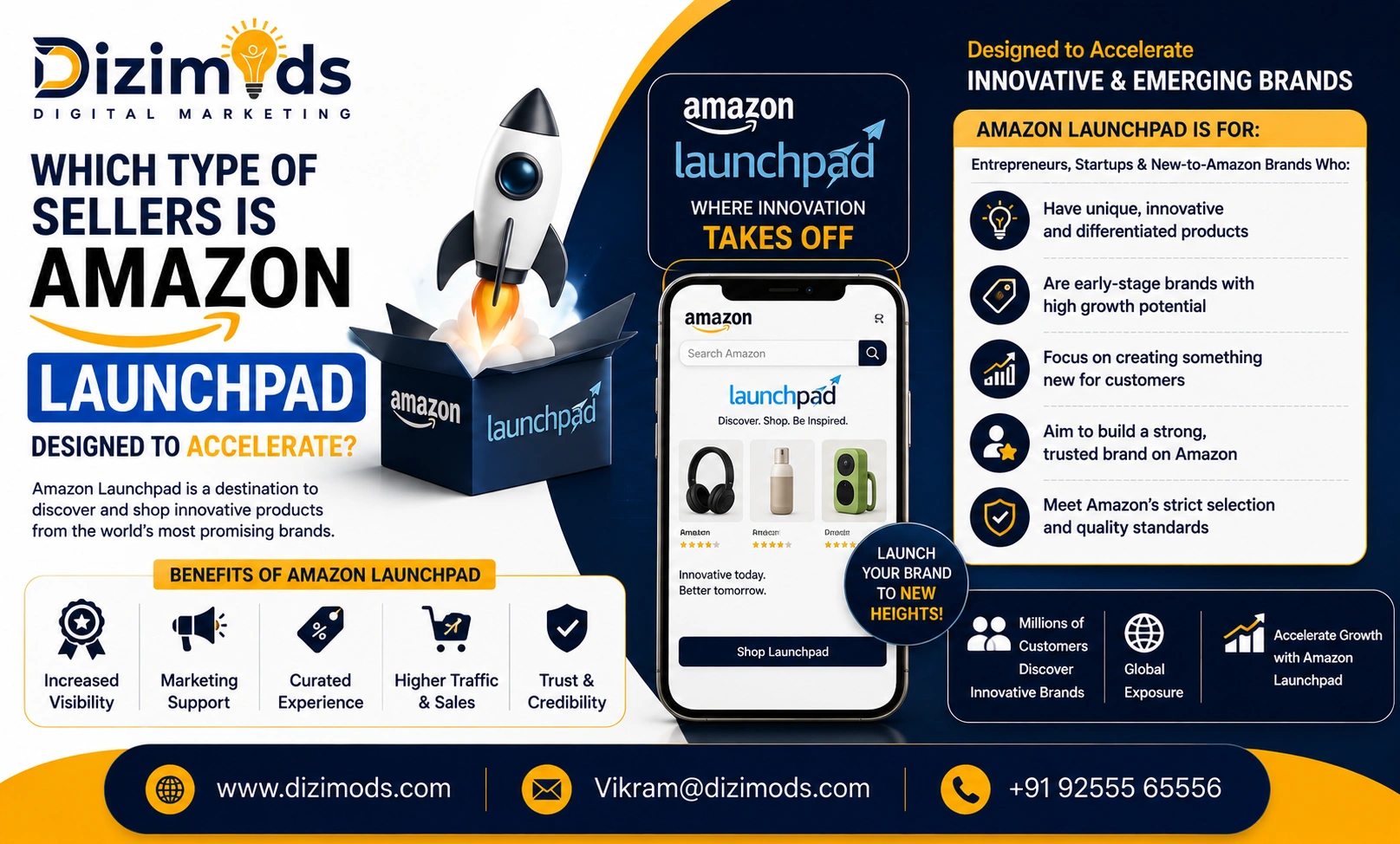
If you’ve ever questioned, “Which form of dealers is Amazon Launchpad designed to accelerate?” The fast answer is: new and rising manufacturers building their first scale.
But the nuances of who qualifies—and why—go a good deal deeper than just being “new.”
1. The "Innovation First" Entrepreneurs
Amazon Launchpad is mainly curated for manufacturers that bring innovation and strong points to the table. Unlike the overall market, which is regularly flooded with “me-too” merchandise or accepted personal labels, Launchpad seeks out sellers who have reinvented a class or solved a problem in a clean way.
Whether it’s an excessive-tech clever home system, a sustainable style line or a progressive natural snack, this system is designed to boost up sellers who lead with a story of innovation.
Related Review Services:
2. Venture-Backed and Crowdfunded Startups
One of the primary “feeder” systems for Amazon Launchpad is the world of crowdfunding and venture capital. Amazon frequently partners with:
- Kickstarter and Indiegogo graduates: Brands that have already proven market interest through successful crowdfunding campaigns.
- VC-backed startups: Businesses that have secured funding from venture capital firms or startup accelerators (like Y Combinator).
These sellers are often product-rich but “Amazon-poor”—meaning they have a great product but lack the institutional knowledge to navigate the complexities of Amazon’s algorithm, fulfillment and advertising.
3. Brand Owners with a Compelling Story
Launchpad movements past the “fee and specs” model of selling. It is designed for dealers who want brand storytelling to justify their charge factor or provide an explanation for their product’s fee.
Through more suitable capabilities like Premium A+ Content (which allows for larger photographs and video modules), Launchpad hastens sellers who benefit from sharing why their company exists. If your brand is constructed on an undertaking—which includes social impact or environmental sustainability—Launchpad provides the tools to position that narrative front and center.
Read More:
4. Small Businesses Ready for Global Scale
The program is a bridge for small to medium-sized groups (SMBs) that have a “market-prepared” product, but want assistance scaling. Amazon review service isn’t always for the “idea level” entrepreneur; it’s for the vendor who has stock ready to ship (or geared up within 30 days) and wants to scale from promoting loads of devices to hundreds.
Key Benefits of the Program
For these particular kinds of dealers, Launchpad offers a “rapid-bypass” to functions usually reserved for huge, hooked-up manufacturers:
- Onboarding Support: A dedicated team to assist with the installation of your store and optimize your listings.
- Increased Discoverability: Placements on the committed Launchpad storefront and inclusion in curated advertising emails.
- Brand Protection: Enhanced tools to guard your intellectual assets from “hijackers” or counterfeiters.