

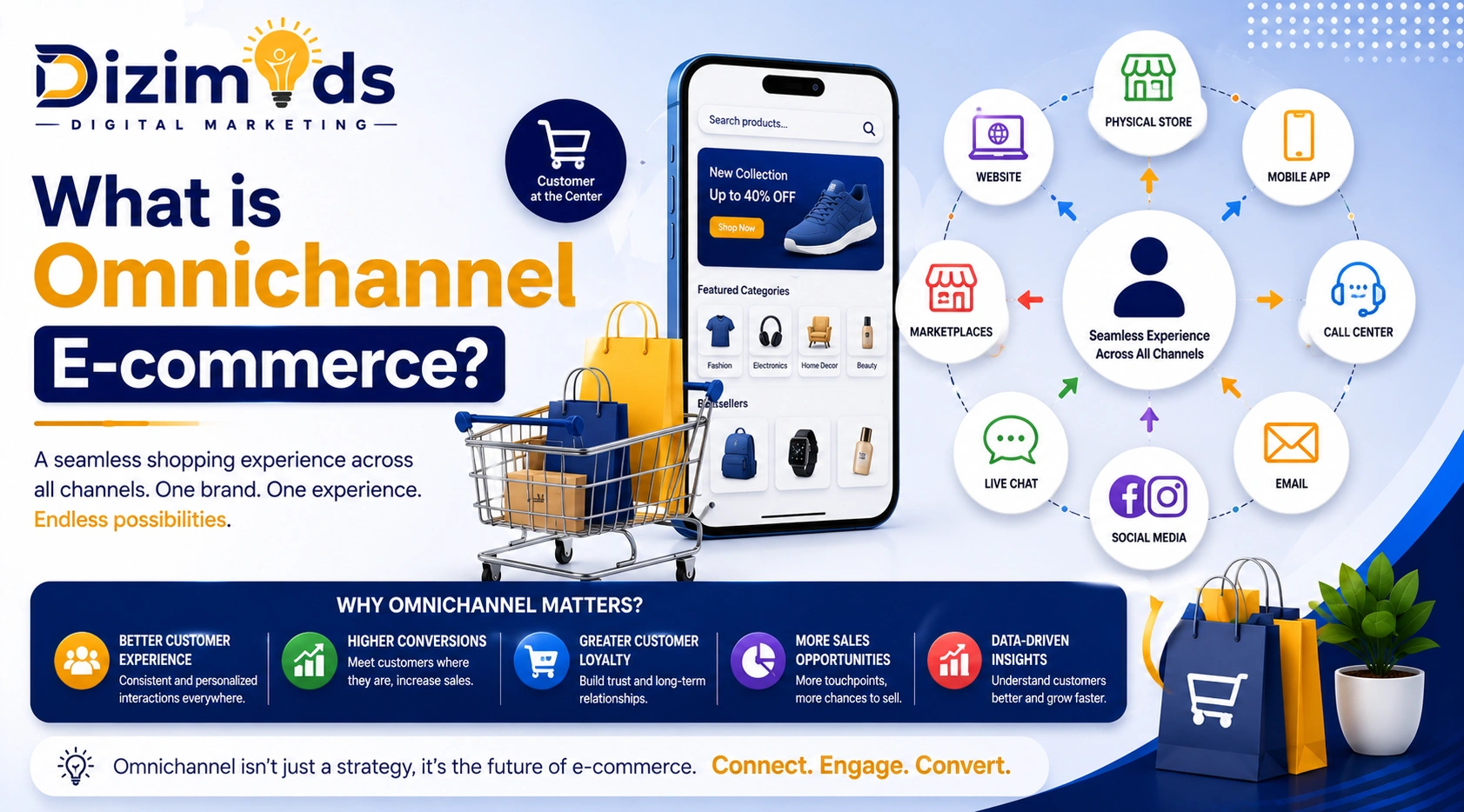
Definition of omnichannel e-commerce
Why is omnichannel e-commerce important?
An example of Unified Omnichannel E-Commerce would be if a customer had the ability to browse, shop, and check out online, from their computer, a smartphone app, and a tablet browser, all in a similar interface. Implementing omnichannel systems is a necessity for all online businesses because, statistically, if you are an online shop, you are competing with approximately 3 other online shops during a single consumer transaction.
What’s the difference between omnichannel and multichannel?
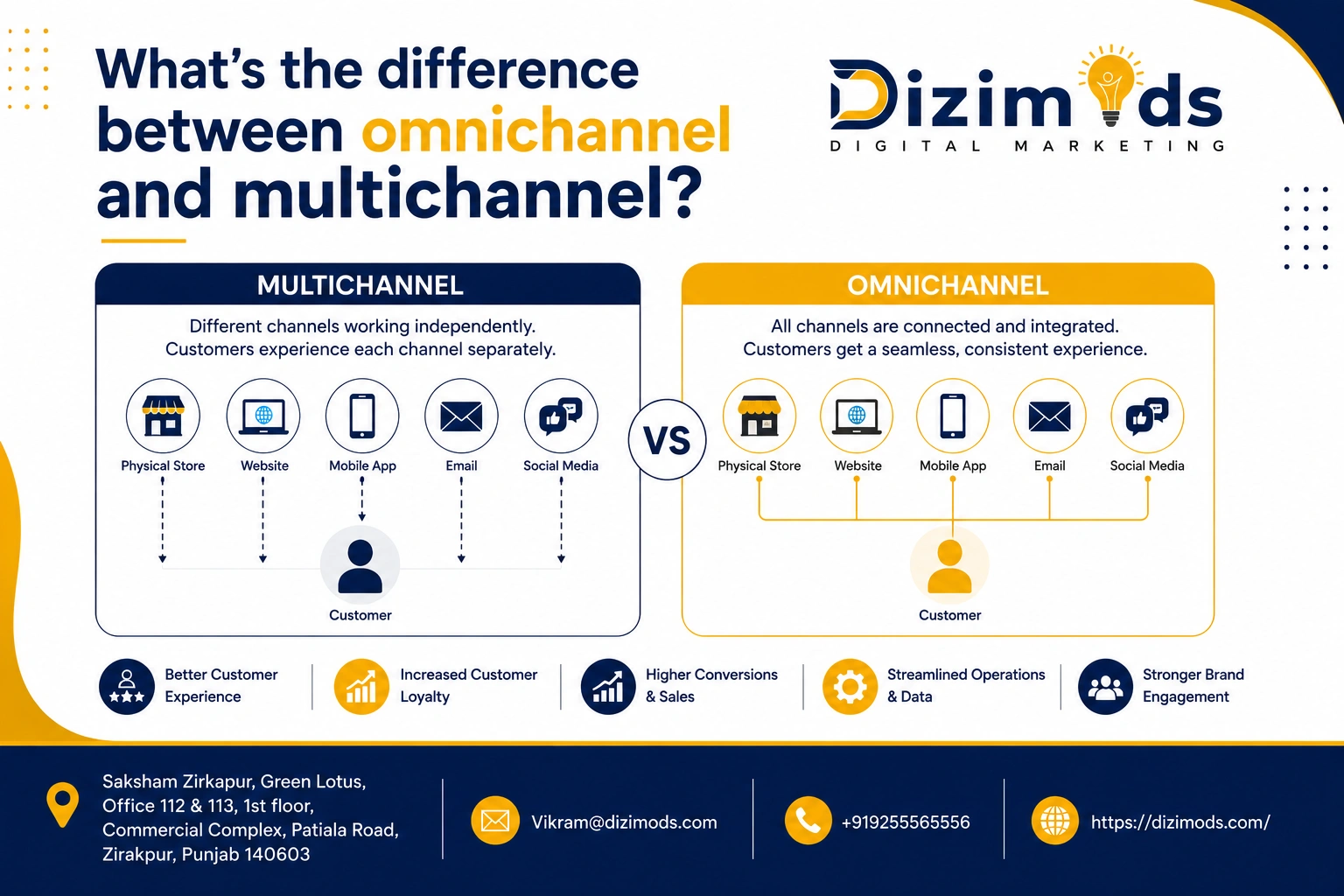
Multichannel
This strategy enables a brand to operate on all possible interaction channels. These channels can be brand apps, websites, emails, physical stores, and social media. Customers expect to be able to engage with a brand on all possible channels, and will be unhappy if they have a disjointed experience when engaging with the brand on different channels. This is where omnichannel comes to play.
Omnichannel
An omnichannel e-commerce strategy foresees that customers may start searching on one channel and move to another as a progression of their online purchasing journey. Omnichannel completes a multichannel strategy and optimizes it for today’s online customers.
Read our blog for more information about the pros and cons and the differences between omnichannel and multichannel marketing.
What are the benefits of omnichannel e-commerce?
Cohesive message
One of the main benefits of having omnichannel e commerce is that you provide your customers with cohesive messaging about your brand. No matter where a customer encounters your brand, the messaging is always the same.
Understanding your customer journey
Omnichannel e-commerce SEO enables businesses to integrate multiple sources of customer data and consolidate it. The resulting data profile types of brand-interested customers and their behavior. This empowers you to curate the customer journey with this data in mind.
Personalizing the customer experience
When businesses understand customer journeys, they can better tailor experiences. Businesses are better able to design an individualized experience via omnichannel e commerce. Customers who shop on multiple channels tend to have a 30% greater lifetime value than those customers who shop on a single channel. As such, designing individualized experiences is a critical aspect of good omnichannel e-commerce.
What are the challenges with omnichannel e-commerce?

Brick-and-mortar store stock vs online stock
Some companies list their physically stocked items online. Store inventory changes and may sell out even if the same inventory already sold online. This model can negatively impact online sales. One solution is to limit the availability of “top-selling” items on the online portals.
Lack of infrastructure
Teaming up with the right partners
High quality partners for logistics, shipping, and eCommerce integration is what you need for your multi-channel sales success. Discover the various eCommerce partners.
If you’re still unsure about the importance of omnichannel eCommerce, read our blog post How to Master Omnichannel B2B E-Commerce for understanding the future of omnichannel eCommerce.
Result-Driven SEO Agency Backed by Experience
Built for brands that want long-term growth – not shortcuts.